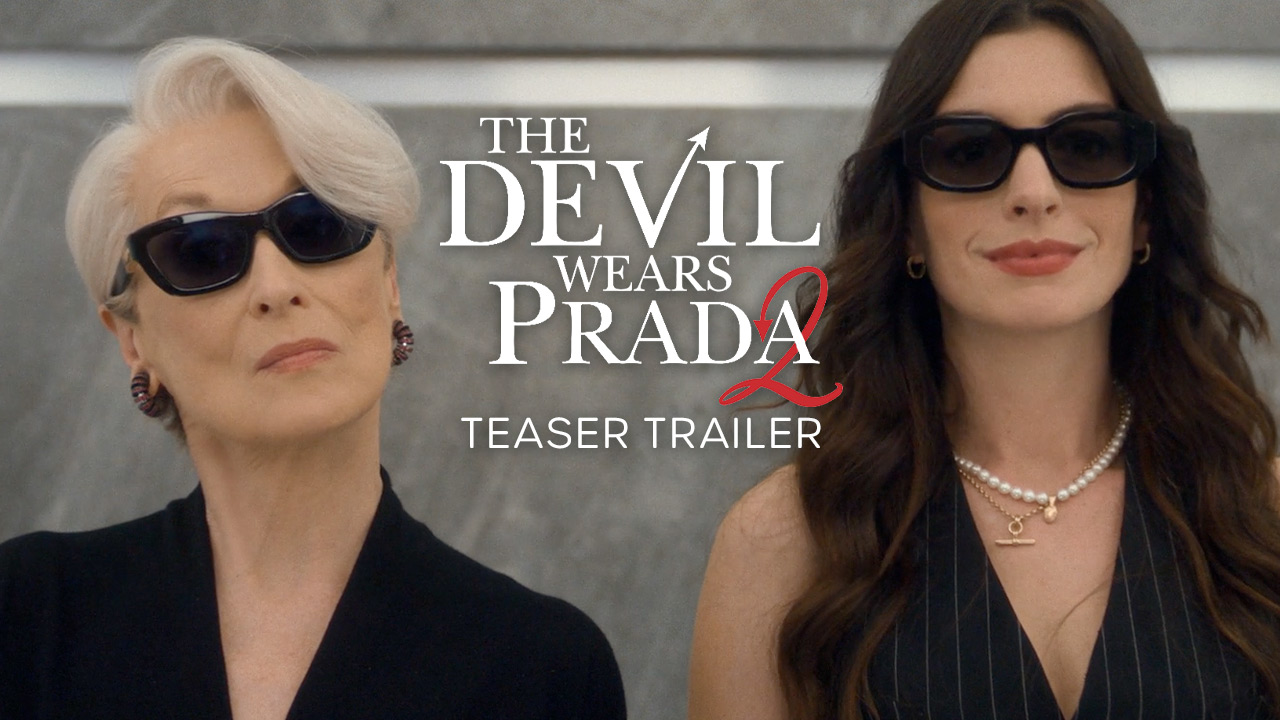
When George Clooney heard that his secluded Lake Como estate had quietly made its way onto the silver screen—specifically in the long-awaited Devil Wears Prada 2—his reaction was as effortless as his signature blend of charm and wry humor: “I didn’t even know they were filming there. One minute I’m sipping espresso on the terrace, the next I’m apparently part of Meryl Streep’s cinematic universe.”
The revelation has sparked a wave of fascination, not just for fans of the original 2006 fashion classic, but for those intrigued by how celebrity privacy, real estate, and blockbuster filmmaking quietly intersect.
How Clooney’s Villa Ended Up in the Sequel
Clooney’s 18th-century Villa Oleandra, tucked into the hills overlooking Lake Como, has long been a sanctuary of discretion. Guarded by high hedges and a no-trespassing policy that even paparazzi respect, the property has hosted A-list guests and quiet family weekends—never press tours or open sets.
Yet, for Devil Wears Prada 2, production teams needed a location that screamed old-world European elegance with a whisper of modern luxury. The villa’s façade, terraced gardens, and panoramic lake views were precisely what the film’s location scouts had been searching for across Italy.
The catch? They didn’t film at Villa Oleandra.
Instead, production recreated the villa’s architectural essence on a private adjacent property—one legally permitted for filming and owned by a long-time friend of Clooney’s. From the outside, the resemblance is uncanny: the same stone columns, ivy-laced walls, and sweeping staircase leading to a sun-drenched patio.
“It’s not my house,” Clooney clarified during a recent interview in Milan, “but it looks so much like it that even my mother texted asking if we’d rented it out.”
The Actor’s Reaction: Amusement Over Annoyance
What could have been a privacy breach turned into a moment of levity. Clooney admitted he didn’t mind the nod, especially given the film’s cultural weight.
“I’ve been protective of that house not because I’m hiding, but because it’s where I recharge,” he said. “But when they showed me the scene—a quiet moment where Miranda Priestly takes a rare pause, looking over the water—I thought, ‘Well, that could’ve been me.’ And honestly, if Meryl’s going to steal my view, I can’t think of someone I’d rather share it with.”
His response reflects a broader shift in how A-listers handle unexpected exposure. Rather than issue cease-and-desist letters or express outrage, many now opt for humor and engagement—especially when the portrayal is flattering and non-invasive.
Clooney’s publicist confirmed that no formal permissions were needed, as the actual filming didn’t occur on Clooney-owned land. Still, the production team sent him a private screening link and a handwritten note from director Oliver Bernett, which Clooney described as “gracious and funny—like a thank-you card from a slightly mischievous neighbor.”
The Allure of Lake Como in Hollywood
:max_bytes(150000):strip_icc()/George-Clooney-Italy-042826-a68b27662eb2445899f5ee8af8bc0447.jpg)
Lake Como has long been a magnet for filmmakers—and not just because of its light. The region offers a unique blend of accessibility (just 90 minutes from Milan) and seclusion, a rarity in an age of social media saturation.
Recent films and series that have drawn from Como’s scenery include:
- Ocean’s Twelve (2004) – featured Clooney himself driving a vintage Alfa Romeo along the lake’s winding roads.
- Star Wars: Episode II – Attack of the Clones – used Villa Balbianello for its famous romantic terrace scene.
- The Italian Job (2003) – showcased the lake during high-speed Mini Cooper chases.
Now, Devil Wears Prada 2 adds another layer: using the idea of celebrity homes as aesthetic inspiration. The film doesn’t name Clooney or Villa Oleandra, but the visual reference is unmistakable—especially with the villa’s signature cypress-lined driveway and ochre-toned walls.
This kind of indirect homage is becoming more common. Studios avoid legal issues while tapping into the aspirational power of real celebrity estates.
Behind the Scenes: How Filmmakers “Borrow” Iconic Homes
Recreating famous private properties is a growing trend in location design. Here’s how it usually works:
- Scouting & Photogrammetry – Cameras capture hundreds of exterior shots of the original property to build a 3D model.
- Set Matching – The production finds a similar property with filming permissions and modifies it to mirror the original.
- Digital Touch-Ups – In post-production, VFX artists blend elements from the real villa into wide shots to enhance authenticity.
- Legal Clearance – As no footage of the actual private property is used, rights issues are avoided.
In the case of Devil Wears Prada 2, the stand-in villa was already in disrepair, allowing the production team to reshape terraces and repaint façades freely. Only the overall silhouette and landscaping were modeled after Clooney’s estate.
“It’s like architectural flattery,” said production designer Sarah Lin. “We weren’t trying to deceive anyone. We were inspired.”
Fans and the Myth of the Celebrity Home Cameo
The internet quickly lit up after eagle-eyed viewers spotted the resemblance. Reddit threads titled “Clooney’s Villa in DWP2???” amassed thousands of comments. TikTok videos compared angles from Clooney’s past interviews on his terrace with the film’s establishing shots.
Some fans even planned pilgrimages—until local authorities reminded them that both the real villa and the filming site remain private.
Still, the fascination speaks to a deeper cultural habit: we don’t just consume celebrity homes through real estate tours or magazine spreads—we now expect them to appear in fiction, too.
Clooney, ever the observer of modern absurdity, noted: “People used to dream of living in a house like that. Now they want it to be in a movie. Progress?”
Why This Moment Matters in Pop Culture
This incident isn’t just a quirky anecdote. It highlights how the boundaries between real life and cinematic fiction are blurring—not through invasion, but through homage.
Consider:
- Privacy vs. Inspiration: Celebrities can maintain seclusion while still influencing art.
- Location as Character: Estates like Clooney’s aren’t just backdrops—they carry narrative weight.
- Fan Engagement: Audiences love decoding real-world references, turning passive viewing into detective work.
Clooney’s reaction sets a tone: respectful, witty, and slightly self-aware. In an era where every paparazzi snap can go viral, his response models how fame can coexist with grace.
It also underscores a shift in sequel storytelling. Devil Wears Prada 2 isn’t just reviving characters—it’s updating the world they inhabit. Milan’s fashion scene, the pressure of legacy media, and now, the quiet luxury of European escape. The villa cameo, real or recreated, fits perfectly.
What This Means for Future Filmmaking
Expect more of this. As A-listers guard their privacy tighter, filmmakers will increasingly turn to inspired-by locations rather than direct access.
We may see:
- Digital recreations of Beyoncé’s Malibu compound in a thriller’s final act.
- A Bond-style villain’s lair modeled after Elon Musk’s rumored underground Texas home.
- A rom-com’s dream home that looks suspiciously like Margot Robbie’s Byron Bay retreat.
The key, as Clooney’s situation proves, is transparency and taste. When done right, these nods feel like inclusion, not intrusion.
Clooney summed it up best: “If you’re going to steal my view, at least make it look good on camera. They did. So I’m not suing—I’m just asking for a DVD screen credit.”
Closing: The Quiet Power of a Well-Placed Homage
George Clooney didn’t need to appear in Devil Wears Prada 2 to leave his mark. His villa—real or reimagined—added texture, elegance, and a whisper of insider knowledge that elevated the film’s atmosphere.
For creators, it’s a lesson in subtlety: sometimes the most powerful cameos aren’t of people, but of places that carry stories beyond their walls.
For audiences, it’s a reminder that behind every glamorous frame, there’s often a real life—quietly unfolding, occasionally borrowed, but never fully exposed.
And for Clooney? He’ll likely return to his terrace, espresso in hand, watching the same lake that now lives on in cinematic memory.
After all, some views are too good not to share—even if just in spirit.
FAQ
Did George Clooney allow filming at his villa? No. Filming took place on a nearby property redesigned to resemble Villa Oleandra. No footage was shot on Clooney’s private land.
Is the villa in Devil Wears Prada 2 actually George Clooney’s? Not exactly. The exterior is a recreation inspired by his Lake Como estate, enhanced with digital effects for authenticity.
How did George Clooney find out about the cameo? He learned through a private screening invitation from the film’s director, followed by messages from friends who recognized the resemblance.
Why did the filmmakers choose Clooney’s villa as inspiration? Its iconic Mediterranean aesthetic, privacy, and association with European luxury made it a perfect visual match for Miranda Priestly’s world.
Can fans visit the filming location? No. Both Clooney’s villa and the stand-in property are private and not open to the public.
Was Clooney paid for the use of his home’s likeness? No formal compensation was made, as no direct filming or likeness rights were used. The production sent a courtesy screening and personal note.
Will Clooney appear in Devil Wears Prada 2? No. His involvement is limited to the architectural homage; he does not have a role in the film.
FAQ
What should you look for in George Clooney Reacts to His Italian Villa in Devil Wears Prada 2? Focus on relevance, practical value, and how well the solution matches real user intent.
Is George Clooney Reacts to His Italian Villa in Devil Wears Prada 2 suitable for beginners? That depends on the workflow, but a clear step-by-step approach usually makes it easier to start.
How do you compare options around George Clooney Reacts to His Italian Villa in Devil Wears Prada 2? Compare features, trust signals, limitations, pricing, and ease of implementation.
What mistakes should you avoid? Avoid generic choices, weak validation, and decisions based only on marketing claims.
What is the next best step? Shortlist the most relevant options, validate them quickly, and refine from real-world results.